
Take a memorable trip around Hyderabad, which is also known as the City of Pearls. This book combines historical information, cultural stories, and useful tips to help travelers find the finest site to visit in Hyderabad. This blog is a reliable, easy-to-use, and SEO-friendly guide to exploring one of India’s most exciting cities. It includes information on everything from the majestic forts that tell stories of long-gone dynasties to the divine peace of famous temples in Hyderabad, from enjoying the best food in Hyderabad in busy markets to relaxing in lush parks, and from choosing the best hotels in Hyderabad for a luxurious stay.
The history of Hyderabad as a travel destination
Hyderabad’s change from a fortified medieval capital to a lively modern city is what makes it a great place to visit. Muhammad Quli Qutb Shah founded the city in 1591. It was located on the banks of the Musi River, which made it a great place for trade routes to thrive. This added to the city’s rich cultural and architectural history. The Qutb Shahi and Nizam dynasties ruled Hyderabad for hundreds of years, giving it a unique mix of Persianate, Deccani, and Mughal traditions that shaped its culture and way of life.
Hyderabad became a princely state in the 18th and 19th centuries under the Nizams. Their support for the arts, charity, and public works had a lasting effect on the city’s landscape. The mix of Indo-Islamic and European styles may be seen in the vast monuments, palaces, and bazaars that still draw visitors. After independence, Hyderabad became a hub for technology and education, earning the nickname “Cyberabad.” It also kept its old neighborhoods and food traditions alive via careful city planning and cultural preservation.
Famous monuments and historical sites
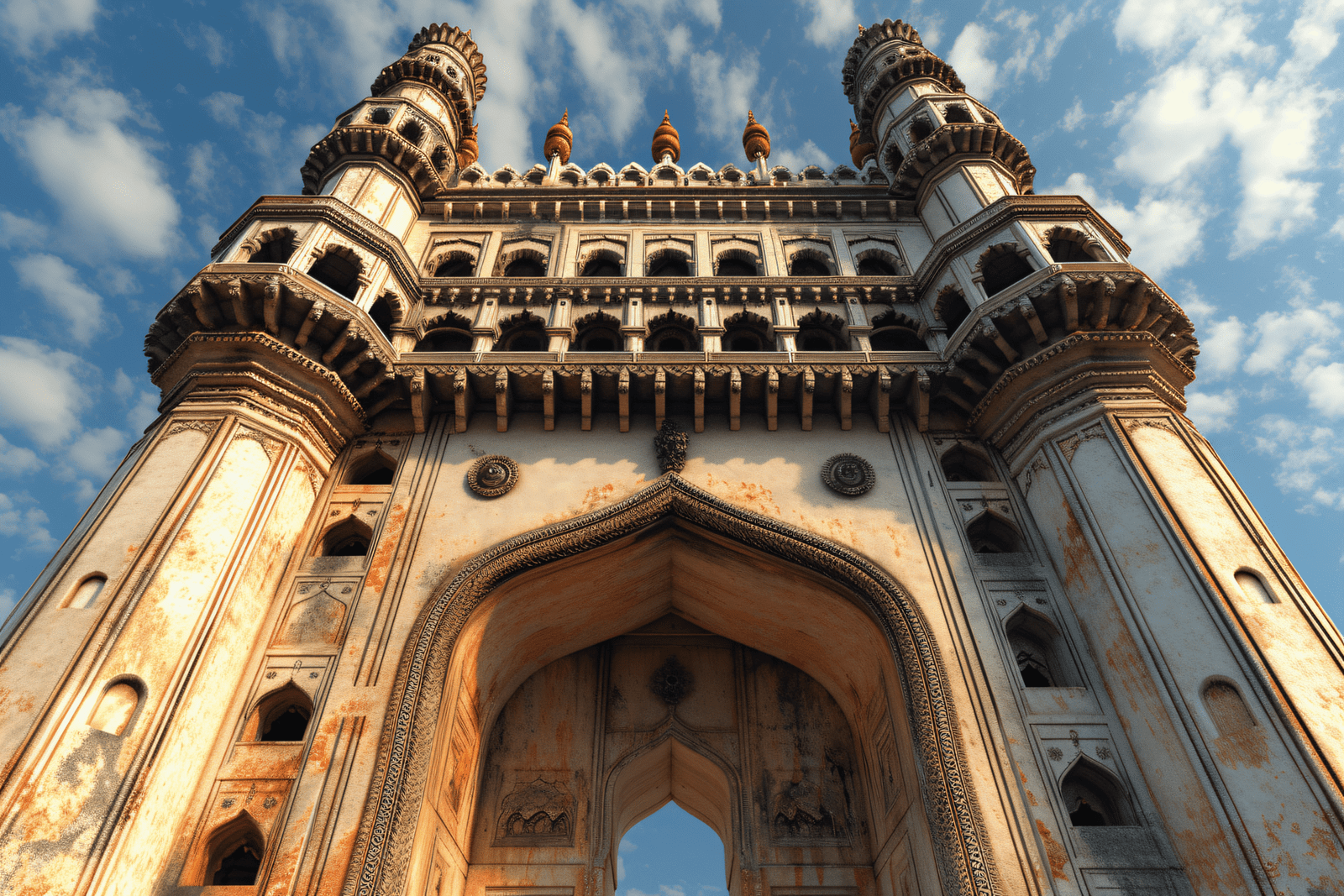
The city’s famous landmarks give Hyderabad its shape, and each one tells a story about the city’s long and storied past. The Charminar, which was built in 1591, is still a symbol of Hyderabad’s founding and is located in the center of the Old City. Its four tall minarets and beautifully carved façade mix Indo-Islamic and Persian architectural styles. Visitors can climb narrow staircases to get a view of the colorful Laad Bazaar below. The building’s strategic orientation identifies the cardinal directions, which shows how city planners in the past balanced function with beauty.
The Golconda Fort, which used to be the stronghold of the Qutb Shahi dynasty, looks out over the city’s edges. The fort was built in the 11th century and then reinforced with more and more reinforcements. Its walls, bastions, and clever use of sound show how smart medieval soldiers were. Whispers can still be heard echoing through the hallways, and light pours through arched doorways, giving you a wide view of modern Hyderabad.
The Chowmahalla Palace is a good example of how the Nizams lived in luxury. The huge courtyards, the grand Durbar Hall, and the fancy clock tower all show that the building was inspired by Persian gardens and European aristocratic residences. The palace’s story of royal wealth is made even more impressive by the intricate stucco work and antique galleries.
The Salar Jung Museum, which is not far away, has one of the world’s greatest single-owner collections, which was put together by Salar Jung III. The galleries show works of art from all over the world, from Mughal miniature paintings to European sculptures. This gives a unique view of worldwide art traditions and Hyderabad’s multicultural culture. These monuments tell the story of Hyderabad’s changing political, cultural, and artistic history.
Hyderabad’s Most Famous Temples
People who are interested in spirituality and architecture are both drawn to the great temples in Hyderabad, where dedication and design come together. The Birla Mandir, made of white marble from abroad, sits on top of the Naubat Pahad mountain and gives peaceful views of Hussain Sagar Lake. It is a beautiful mix of Utkal and Dravidian architectural styles. The temple’s granite statue of Lord Venkateswara is surrounded by shrines to Padmavati and Andal, and the whole place is very peaceful.
The ISKCON-Sri Sri Radha Madanmohan Mandir is one of the most modern temples. It has colorful frescoes and devotional music, as well as lectures based on the Bhagavad Gita. The Hare Krishna Golden Temple in Banjara Hills also has beautifully tiered towers and a verdant courtyard that is perfect for meditation retreats.
The Sri Sringeri Shankaramath is an old institution that shows how monks in South India used to live. They perform daily rituals under carved wood beams and religious icons. The Shri Ashtalakshmi Temple in Kothapet, on the other hand, honors the eight forms of Lakshmi with beautiful statues and flower lights that stand for wealth and divine kindness. These holy places together show that Hyderabad is a place where many different cultures can live together and attract pilgrims from all over the subcontinent.
Culinary Marvels: Finding the Best Food in Hyderabad
Hyderabad’s food culture is closely linked to its imperial past, when royal kitchens came up with new dishes that are still popular today. The most famous of these is the Hyderabadi Biryani, which comes in two styles: kachchi (raw) and pakki (cooked). Both employ aromatic basmati rice, marinated meat, and saffron-infused ghee in a very careful way. This classic meal comes from the Nizam’s court in the 18th century, where Muslim and Mughlai flavors mixed with local ingredients.
Hyderabad’s busy street markets offer a wide range of tasty foods in addition to biryani. These include mirchi ka salan (chili pepper curry), kebabs, and haleem, a slow-cooked wheat and meat porridge that people usually eat during Ramadan. The city’s love of rich flavors and fragrant essences is shown in its sweet treats, such as qubani ka meetha (apricot pudding) and double ka meetha (bread pudding).
Hyderabad’s greatest restaurants, which are usually in the nicest hotels in the city, serve reinterpretations of traditional meals as well as foods from around the world. Gourmets can explore stories about food that mix tradition with modernity, from the lavish banquets at Taj Falaknuma Palace to the modern versions at Le Meridien and ITC Kohenur.
Places to relax and have fun
Hyderabad has a lot of different places to have fun for those who want a break from exploring the city. Ramoji Film City, which is known as the world’s largest film studio complex, enables visitors to see live sets, movie exhibitions, and themed attractions that honor India’s thriving film industry. Its amusement zones and cultural acts are all in one place, making for an all-day excursion.
People who love animals can go to the Nehru Zoological Park, where large enclosures hold tigers, rhinos, and elephants along safari pathways that remind visitors of the area’s natural history. Sundarayya Park and Lumbini Park are great places to get away from it all. They have green lawns, walking paths, and sculptures that make them perfect for picnics and evening light shows near Hussain Sagar Lake.
People who like to have fun will love Jalavihar Water Park. It has slides, wave pools, and lawns by the lake, as well as live shows and food vendors that serve local dishes. These leisure spots add to the variety of things to do in Hyderabad, whether you want to go on an adventure, see wildlife, or take a peaceful walk.
Where to Stay: The Best Hotels in Hyderabad
Hyderabad’s hospitality industry includes everything from modern luxury chains to heritage hotels built in old palaces. Taj Falaknuma Palace, which is on top of a hill, offers royal luxury with its lavish rooms, well planned meals, and views of the Old City from every angle. The baroque interiors and collections of antiques make you think of the grandeur of the Nizam-era aristocracy.
In the business areas of Banjara Hills and Begumpet, high-end hotels like Radisson Blu Plaza, Vivanta by Taj, and The Westin Hyderabad Mindspace provide guests with taste elegant suites, gourmet restaurants, and wellness facilities. ITC Kohenur in Hyderabad Knowledge City combines high-end amenities with eco-friendly design. Taj Krishna, on the other hand, combines colonial-style architecture with modern comforts.
These hotels in Hyderabad are some of the best because they offer great service, are located near business centers or cultural places, and have signature restaurants that serve both local and international food. Travelers can choose accommodations that fit their tastes and plans, whether they want to experience tradition or modern luxury.
Getting around and staying connected
An integrated network of services makes it easier to go around Hyderabad’s large city. The Hyderabad Metro Rail connects important business and residential areas with clean stations and modern coaches. This makes it easier for both tourists and commuters to get about. State-run buses connect heritage sites, suburban attractions, and the international airport. Autos and ride-sharing services connect the last mile.
For day visits outside of the city, routes that link to the historic cities of Bidar and Nagarjuna Sagar offer beautiful drives. From Secunderabad Junction, trains connect to pilgrimage sites like Tirupati. Booking private cars or guided excursions ahead of time might help you make the most of your time and see less popular places in a way that suits you.
Conclusion
Hyderabad is a great place to visit in South Asia since it has a unique mix of history, spirituality, food, and modernity. The city is full of things to see and do, from the tall walls of Golconda Fort to the colorful shrines of famous temples in Hyderabad, from the fragrant restaurants that serve the best food in Hyderabad to the friendly hotels that offer the greatest accommodations.